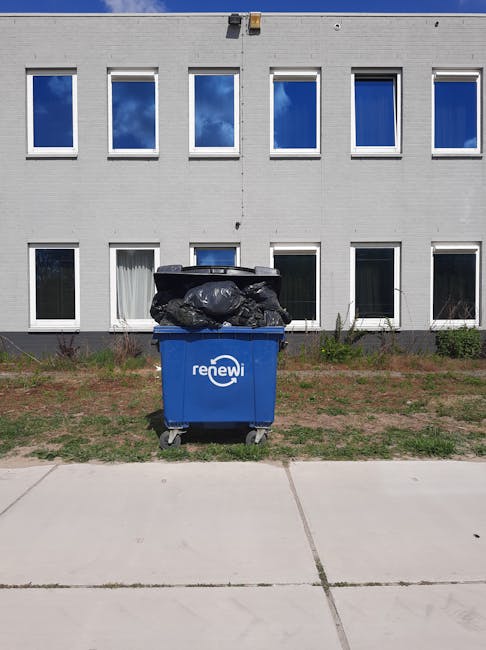
Household waste rules and disposal for Holland Park removals
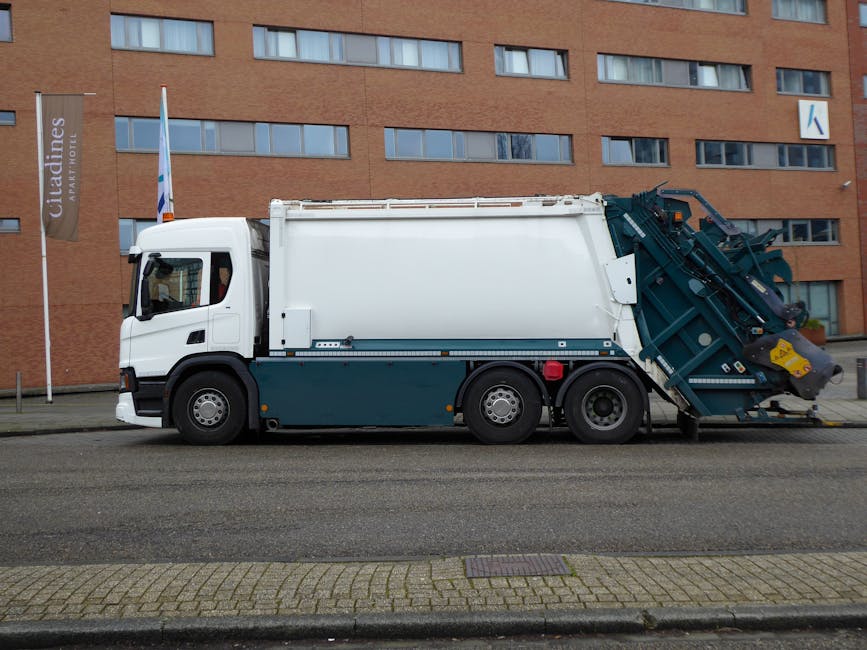
Moving home in Holland Park can feel deceptively simple right up until you start sorting the cupboards, the loft, the shed, and that one mystery drawer everyone has. Suddenly, you are not just moving things; you are making decisions about what counts as household waste, what can be reused, and what needs careful disposal. This guide on Household waste rules and disposal for Holland Park removals is here to make that process calmer, cleaner, and far less last-minute.
If you are planning a move in this part of West London, you will want to avoid common mistakes like leaving rubbish for the moving crew, mixing recyclables with general waste, or assuming everything can go straight into a van. A good removal plan saves time, reduces clutter, and helps you stay on the right side of sensible disposal practice. Let's face it, nobody wants to be unpacking boxes while also discovering three bagged-up bin liners and a broken bedside table still waiting in the hallway.
This article explains what to separate, what to dispose of ahead of the move, how removal companies typically handle waste-related items, and how to make the whole process smoother. It also includes practical checklists, a comparison table, and a real-world example so you can use it straight away.
Why Household waste rules and disposal for Holland Park removals Matters
Waste handling is one of those parts of moving that people underestimate until the final 24 hours. In Holland Park, where access can be tight, parking may be awkward, and neighbours are not exactly thrilled by extra mess in communal areas, waste organisation matters even more. A tidy move is quicker, safer, and usually less stressful for everyone involved.
There is also a practical side. If you leave disposal decisions until moving day, you can end up paying more, slowing the team down, or hauling items twice. Broken furniture, old mattresses, unwanted appliances, and mixed household rubbish all need different treatment. Not everything can be treated as ordinary load-and-go removal. Some things can be recycled, some can be donated, and some should be handled separately as bulky waste or specialist items.
For many residents, the goal is not perfection. It is control. You want to know what is leaving, where it is going, and whether it can be reused responsibly. That matters for peace of mind, and it also helps support broader sustainability goals. If that side of moving matters to you, it may be worth reading about the company's approach to recycling and sustainability before booking.
Expert summary: The best waste plan for a move is simple: sort early, keep recyclable and reusable items separate, identify anything that needs special handling, and never assume the removal team can take every item without checking first.
How Household waste rules and disposal for Holland Park removals Works
The process is straightforward when you break it down. Before moving day, you decide what is coming with you, what is being reused, and what needs disposal. Then you separate items into sensible streams so that the removal process is not clogged with avoidable clutter.
In a typical home move, household waste falls into a few broad categories:
- General rubbish such as non-recyclable packaging, broken household odds and ends, and unwanted soft waste.
- Recyclables such as clean cardboard, paper, some plastics, glass, and cans, depending on what your local disposal arrangement accepts.
- Bulky household items like wardrobes, sofas, tables, mattresses, and broken furniture.
- Electrical items that may need separate treatment because of cables, batteries, or internal components.
- Reusable items such as good-quality furniture, kitchenware, books, and appliances that someone else could still use.
The important thing is that removals and waste disposal are not quite the same service. Removal teams move items from one place to another; waste handling usually needs a clearer plan. If you need help with the physical side of moving while keeping the job organised, services such as house removals or a flexible man and van setup can help you manage the transit side, while disposal decisions are made in advance.
In practice, most good movers will ask you to identify items that are going, staying, or being discarded. That sounds obvious, but you would be surprised how often a random armchair gets treated as both "keep" and "bin" by different family members. It happens. Families are funny like that.
Key Benefits and Practical Advantages
Getting disposal right is not just about compliance or tidiness. It makes the whole move feel lighter, and not just physically.
- Less clutter on moving day means faster loading and fewer awkward delays in narrow hallways or stairwells.
- Reduced risk of damage because rubbish, broken items, and moving goods are not mixed together.
- Better recycling and reuse outcomes when good items are separated early rather than thrown out in a panic.
- Lower stress because you are not making disposal decisions at the same time as trying to find your kettle.
- More accurate quoting when the removal company knows what needs moving and what does not.
There is a quieter benefit too: it helps you arrive at the new place with a cleaner start. Many people think of removals as a transfer of objects. Really, it is a reset. If you strip away the broken lamp, the spare chair you never liked, and the boxes of random cables from 2014, you give yourself a far better landing at the new home.
If you are comparing moving support options, the team at removal services can be useful when you want a more managed approach than a basic van hire. For lighter or smaller moves, a moving van may be enough. For larger loads, you may prefer something closer to a moving truck. The right fit depends on volume, access, and what needs to be disposed of separately.
Who This Is For and When It Makes Sense
This guidance is useful for almost anyone moving a home in Holland Park, but it is especially relevant if you are dealing with:
- a long-overdue clear-out before handing back keys
- a family home with years of accumulated items
- a flat move where lift access or stair access is limited
- furniture that is no longer worth transporting
- mixed household rubbish that needs sorting before the movers arrive
- time pressure, such as an end-of-tenancy deadline or chain-related move date
It also makes sense if you are trying to balance convenience with responsible disposal. Some people want the simplest possible move and are happy to have a crew handle everything. Others want to keep a tighter grip on what is reused, recycled, or thrown away. Both approaches can work, but the disposal plan needs to be clear either way.
Homeowners, tenants, landlords, and property managers all benefit from a clear system. Even a small one-bedroom move can produce more waste than expected. Boxes, wrap, torn bags, broken hangers, old bedding, food packaging, and stripped-out storage items add up fast. By the time the room looks empty, the bin bags somehow look bigger. Funny how that happens.
Step-by-Step Guidance
Here is a practical way to manage household waste before and during a move in Holland Park.
- Walk through every room first. Do not start packing immediately. Make a calm sweep of the property and note what stays, what goes, and what might be donated or recycled.
- Separate waste by type. Put general rubbish, recyclables, reusable items, and bulky waste into different piles or corners.
- Remove food waste and loose rubbish early. Kitchen bins, fridge contents, bathroom empties, and random bagged waste are best cleared before the moving team arrives.
- Check furniture and appliance condition. If something is broken beyond sensible repair, decide whether it should be disposed of, recycled, or collected separately.
- Label everything clearly. A simple label like "move," "donate," "recycle," or "dispose" saves confusion later. Believe me, labels are boring until they save your evening.
- Tell the movers about anything awkward. Oversized items, heavy bags, and anything with special handling needs should be flagged in advance.
- Confirm what the service includes. Some services move only the items you want transported; others can help with furniture collection or waste-heavy jobs. If you need help with unwanted furniture, look at furniture pick up for a more disposal-focused option.
- Leave the property clean and safe. Before the final handover, check for hidden rubbish in cupboards, under beds, behind radiators, and in outdoor storage.
A good move is usually the one where nothing comes as a surprise. If the team knows exactly what is being removed, what is being kept, and what should not be touched, the day tends to flow much better. Little things matter here. A single bag of rubble or a broken mirror can slow everything down if nobody expected it.
Expert Tips for Better Results
After a lot of moves, a few patterns become obvious. The homes that go smoothly are usually the ones where the waste side is treated as part of the move, not as an afterthought.
- Start with the biggest waste first. Bulky items create the most friction, so clear them early.
- Use one room as a sorting base. That keeps the rest of the home functional while you prepare.
- Do not overpack waste bags. Heavy, overloaded bags are awkward to move and more likely to split. Nobody needs that on a tight staircase.
- Keep sharp or fragile waste separate. Broken glass, mirrors, and damaged fittings should be wrapped safely.
- Check if items can be reused before disposing. Good furniture or working appliances often have a second life.
- Photograph valuable items and special waste concerns. It helps avoid confusion if there are disputed items on moving day.
- Build in time for one final sweep. A 10-minute check of cupboards, loft corners, and utility spaces can prevent an annoying last-minute discovery.
If you are booking a broader moving service, some customers prefer to combine transport support with packing and unpacking services. That can be especially useful if you are short on time or dealing with a complicated household. It is not for everyone, but when it fits, it really fits.
Another good habit: keep a small "do not move" zone for documents, keys, medications, chargers, and valuables. It sounds obvious. Then moving day arrives and the phone charger is somehow in a box marked "winter scarves." Humans, eh?
Common Mistakes to Avoid
Most waste-related moving problems come from rushing. The move itself is stressful enough, so it is worth avoiding these common errors:
- Leaving all sorting until the night before. That is how useful items get thrown away and rubbish gets mixed with keepers.
- Assuming every item can go in the van. Some items need separate disposal or may be outside the service scope.
- Mixing waste with packed belongings. This creates confusion, damage risk, and more unloading work later.
- Forgetting about communal areas. Hallways, lifts, and shared entrances should be kept clear and tidy.
- Ignoring bulky waste. Old mattresses, broken wardrobes, and damaged sofas need a proper plan, not a hopeful glance.
- Not checking the disposal plan with the mover. A quick conversation can prevent a long argument on the driveway.
One subtle mistake is emotional over-keeping. We have all done it: the chair you have not sat on in three years, the saucepans you never use, the box of cords you are convinced "might come in handy." Maybe it will. Usually it will not. Be honest with yourself and the move gets easier.
Tools, Resources and Recommendations
You do not need fancy equipment to manage household waste well, but a few basic tools help:
- Strong bin bags for general rubbish and lightweight packing waste
- Marker pens and labels for clear sorting
- Cardboard boxes or crates for donations and reusable items
- Protective wrap or tape for sharp, fragile, or awkward waste items
- Cleaning cloths and gloves for the final sweep
- A notebook or phone checklist to track what is moving, what is being disposed of, and what needs collection
If you are looking for a broader moving solution, comparing removal company options is sensible when you want a more structured service. If you need something leaner for a smaller load, a man with van service can be more practical. For bigger jobs, you may want to look at removals support with a fuller team and larger vehicle capacity.
Useful internal pages also include the company's policies and trust pages, especially if you want to understand service expectations, safety, or payment handling before booking. A quick look at health and safety policy, insurance and safety, and payment and security can give you added confidence. That sort of preparation is not glamorous, but it does matter.
Law, Compliance, Standards, or Best Practice
For household moves, the safest approach is to follow normal UK waste best practice and any local disposal guidance that applies to your property. You do not need to become a legal specialist, but you should avoid leaving waste handling vague. If you are paying someone to remove rubbish or unwanted items, make sure you understand what they will take, how it will be handled, and whether anything needs separate treatment.
General best practice usually includes:
- not leaving waste in shared access routes
- keeping recyclable and non-recyclable materials separate where practical
- handling electrical items carefully
- disposing of hazardous or specialist materials only through suitable channels
- confirming the mover's terms before the day, especially for unwanted furniture or mixed loads
For commercial moves, the expectations can be even more structured. If your relocation includes office furniture, archives, or equipment, it may be better to use a dedicated commercial moves or office removals service rather than trying to bundle everything into a home-style move. Different job, different rhythm.
On the customer side, it also helps to understand the provider's terms and conditions before work begins. That way, if an item is excluded, delayed, or needs extra handling, you are not left guessing. A little clarity now saves a lot of awkwardness later.
Options, Methods, or Comparison Table
There are several sensible ways to deal with household waste during a move. The right choice depends on time, volume, and how much of the load is reusable rather than rubbish.
| Method | Best for | Pros | Trade-offs |
|---|---|---|---|
| Self-sorting and disposal | Small to medium moves with plenty of time | Low cost, full control, easy to separate recyclables | More work for you, can be slow |
| Removal support with pre-sorted waste | Households that want transport help but keep disposal organised | Efficient, clearer loading, fewer mistakes | Still requires preparation |
| Furniture collection service | Large unwanted items, bulky furniture, mixed clear-outs | Good for awkward items, simplifies the job | Not ideal for every type of waste |
| Full managed move | Busy households or tighter deadlines | Less stress, more coordinated handling | Usually the most structured option |
If the move is light and tidy, a man and van removals setup may be enough. If you are moving a larger family home or dealing with a lot of unwanted furniture, a more complete team such as house movers may be a better fit. Truth be told, the best option is usually the one that matches the actual mess you have, not the ideal version you wish you had.
Case Study or Real-World Example
Here is a realistic example. A couple in Holland Park were moving from a two-bedroom flat and had a spare room full of storage boxes, a damaged desk, an old TV unit, mixed packaging, and a few bags of general rubbish from a long declutter. They originally planned to leave it all until move day, which would have meant wasting time, adding confusion, and probably damaging a few items they wanted to keep.
Instead, they split the process over three evenings. First, they cleared food waste and obvious rubbish. Next, they separated recyclable cardboard, books, and reusable kitchenware. Finally, they marked the damaged furniture for disposal and arranged the move around that layout. On the actual day, the moving team loaded only what was going to the new flat, and the disposal side was already under control.
The result was not miraculous. It was just neat. The hall stayed clear, the lift trips were fewer, and they arrived at the new place with far less clutter than they expected. They also said the move felt quicker than previous ones, which is usually a sign that waste was handled properly rather than improvised at the last second.
If you are in a similar situation and want a more coordinated moving plan, exploring home moves can be a sensible next step. It gives you a broader view of how the move itself can be organised around the waste you are removing.
Practical Checklist
Use this checklist in the days before your move.
- Walk through every room and identify rubbish, recyclables, keepers, and donations.
- Separate bulky items from general household waste.
- Remove food waste, bathroom bins, and loose clutter early.
- Label boxes and bags clearly.
- Wrap sharp or fragile waste safely.
- Confirm with the mover what is included and what is excluded.
- Keep walkways, stairwells, and shared entrances clear.
- Set aside valuables, documents, keys, and essentials.
- Do a final cupboard, loft, and under-bed check before departure.
- Leave the property tidy and ready for handover.
That is the basic version. If you want the smoother version, start two or three days earlier than you think you need to. Moves always expand to fill the time available. Always.
Conclusion
Household waste rules and disposal for Holland Park removals are not complicated, but they do reward a bit of planning. When you sort items properly, separate waste from belongings, and clarify what the moving team will take, the whole move becomes easier, safer, and more efficient. You also avoid the unpleasant last-minute scramble that turns a normal move into an all-day wrestle with bin bags.
For most people, the winning approach is simple: sort early, label clearly, keep reusable items out of the rubbish stream, and choose the removal support that matches the size of the job. If you do that, you will save time and probably a few headaches too.
Get a free quote today and see how much you can save.
And once the final box is out and the rooms are quiet again, you get that rare moving-day feeling: a bit tired, a bit relieved, and quietly pleased that the hard part is done.
Frequently Asked Questions
What counts as household waste during a Holland Park move?
Household waste usually means anything you are not taking to the new property, including general rubbish, empty packaging, broken household items, and unwanted clutter. It can also include bulky items like old furniture if they are being discarded rather than moved.
Can removal teams take rubbish as well as furniture?
Sometimes, but not always in the same way. Some services handle unwanted furniture or collection-style jobs, while others focus on moving items only. It is best to confirm exactly what is included before the day, rather than assuming everything can go in one load.
Should I sort recycling before the movers arrive?
Yes, ideally. Sorting cardboard, paper, and other recyclables in advance makes loading quicker and reduces confusion. It also keeps usable items separate from waste, which is just cleaner all round.
What should I do with broken furniture before moving day?
If the furniture is no longer worth repairing, decide whether it should be collected, recycled, or disposed of separately. Do not leave it as an afterthought. Broken furniture tends to become the thing everyone avoids dealing with until the very end.
Do I need to clear food waste before a move?
Yes. Empty bins, fridges, cupboards, and any leftover food should be dealt with before moving day where possible. It keeps the property cleaner, avoids smells, and stops food waste from getting mixed into your moving load.
Is it better to donate reusable items or throw them away?
If the item is still in decent condition, donation or reuse is usually the better option. It is more responsible and often less wasteful. A good rule is simple: if someone else would genuinely use it, it probably should not go in the rubbish pile.
How far in advance should I deal with waste before a Holland Park removal?
For a standard home move, it is wise to start sorting a few days ahead. For larger homes or bigger clear-outs, earlier is better. Even 20 minutes a day can make the final move far less chaotic.
What happens if I mix rubbish with items I want to keep?
That can cause confusion, damage, and unnecessary loading delays. It is one of the easiest mistakes to avoid by using labels or separate piles. A little organisation saves a lot of backtracking.
Can I leave waste in the hallway or outside for collection on moving day?
Only if it is safe, permitted, and clearly arranged. Shared areas should stay clear, especially in flats or buildings with limited access. If you are unsure, keep waste contained until you have a confirmed disposal plan.
What if I have a lot of bulky items and not much time?
If time is tight and the clear-out is significant, a more structured moving service may be better than a simple van booking. Services like removal company support or a larger team can help manage bigger, messier jobs more efficiently.
How do I choose between a man and van and a larger removal service?
Think about volume, access, and the amount of waste you need to handle. A smaller load may suit a man with a van, while a larger family move with disposal needs may suit a fuller removal services setup. The right choice depends on the real job in front of you, not the ideal version.
Where can I check if a move company is suitable for my needs?
Look at the company's service pages and policy information, especially if you want clarity on safety, payment, or handling expectations. Pages such as about us and contact us can help you get a feel for how the company works and whether it suits your move.