What to know about Campden Hill removals and access
Posted on 28/05/2026
If you are planning a move around Campden Hill, the big question is usually not just what you are moving, but how the property can actually be accessed on the day. In this part of west London, a smooth removal often depends on the small details: staircases that turn sharply, controlled parking, narrow roads, basement flats, porter instructions, and the timing of everybody involved. Truth be told, that is where many moves become tricky.
This guide on What to know about Campden Hill removals and access breaks the process into plain English. You will learn what access challenges to expect, how to plan properly, which service options fit different property types, and how to avoid the sort of last-minute surprises that make moving day feel longer than it should. If you are also comparing local moving support, it can help to browse the wider removal services overview or look at practical options like flat removals in Holland Park and house removals in Holland Park.
Campden Hill has a mix of period conversions, mansion blocks, family homes, and tucked-away mews-style properties. That mix is lovely to live in, but it means no two moves are quite the same. One job may be a straightforward lift-and-load; the next may involve tight hallways, timed entrance access, and a careful carry down two floors. A little planning goes a long way.
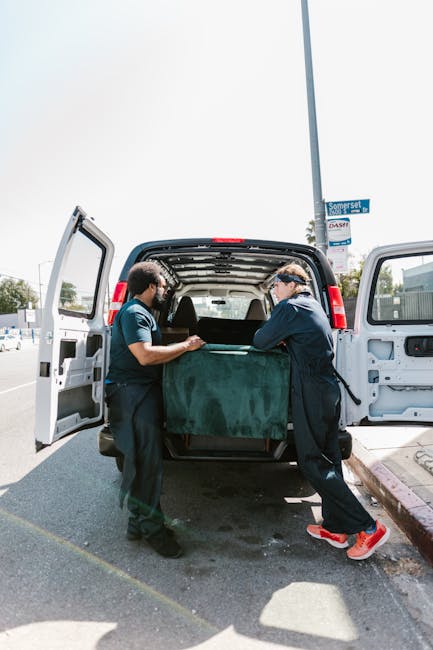
Why What to know about Campden Hill removals and access Matters
Access is often the hidden part of a move. You only really notice it when it goes wrong. A van that cannot stop close enough to the entrance, a narrow staircase that slows down large items, or a building rule that limits arrival times can all add pressure. On Campden Hill, those issues are common enough that they deserve proper attention before move day, not during it.
The reason this matters is simple: access affects time, labour, risk, and sometimes cost. If a crew needs to carry boxes further, wait for a lift, or split a load into several trips, the whole schedule changes. That does not mean the move becomes difficult by default, but it does mean the plan has to be realistic.
There is also the local setting to consider. Campden Hill sits within a busy, residential part of west London where parking can be limited and streets can feel narrower than a glance on a map suggests. A van parked a little too far from the entrance may not sound like a big deal, but once you are moving wardrobes, sofas, or a piano, those extra metres can matter. A lot.
Expert summary: the best Campden Hill move is rarely the fastest-looking one on paper. It is the one that matches the property, the access route, the parking reality, and the items being moved. That is the bit people sometimes skip.
If you want to understand how local property types shape moving plans, the articles on real estate in Holland Park and living advice from residents are useful background reading. They help explain why access around the area varies so much from one address to the next.
How What to know about Campden Hill removals and access Works
In practice, a Campden Hill removal works best when access planning happens in layers. First comes the property survey, then the transport plan, then the loading order, and finally the arrival schedule. That may sound a bit neat, and real life is not always neat, but it is still the right shape for a good move.
Start with the building itself. Is it a top-floor flat with no lift? Is the entrance through a shared hall? Does the property have a rear access point, or is the front entrance the only viable route? Are there stairs with turns that make larger furniture awkward? These details affect how many movers are needed and which vehicle size makes sense.
Next comes the road outside. In some areas, the van may be able to park briefly close to the entrance, but in others you may need to plan for restricted stopping, permit rules, or busy traffic windows. Even a well-run team can lose time if the parking plan is vague. So, yes, it is worth checking in advance. No one enjoys juggling a sofa while someone is circling for a parking space.
Then there is item handling. Some moves are mainly boxes and bags; others include bulky furniture, appliances, artwork, or fragile pieces that need extra care. For example, a family moving from a high-floor apartment may need a furniture removals service, while someone relocating an instrument may need support from piano removals specialists. Campden Hill access is never just about the road. It is about the path from the room to the van.
Finally, timing matters. If the building has concierge arrangements, lift bookings, noise restrictions, or key handover windows, those should all be aligned before moving day. A twenty-minute mismatch can snowball into a much longer delay. It happens more often than people think.
Key Benefits and Practical Advantages
Good access planning sounds practical because it is practical. The benefits show up in the real world, not in theory.
- Less stress on moving day: everyone knows where to go, where to park, and which items need extra care.
- Faster loading and unloading: shorter carry distances and clearer routes usually save time.
- Lower risk of damage: tighter planning reduces the chance of scuffs, knocks, and rushed handling.
- Better control over costs: fewer delays and fewer surprises make quotes more reliable.
- Improved safety: movers can work with more space and better awareness of hazards.
There is also a quieter benefit: confidence. If you know the access is sorted, you can focus on the actual move rather than fretting about whether the van will fit or whether the lift is reserved. That mental load matters more than people admit.
For many residents, especially those in flats or period conversions, the best outcome is not a glamorous one. It is simply a day that feels calm and organised. Boxes go out, furniture goes in, and the neighbours do not have to dodge chaos in the hallway. Simple. Lovely, actually.
If you are trying to choose between service styles, it may help to compare man with a van, man and van, and fuller removal services. The right option depends on volume, access, and how much handling support you need.
Who This Is For and When It Makes Sense
Campden Hill access planning is relevant to more people than you might expect. It is not just for large family homes or complicated commercial jobs.
- Flat movers: especially where stair access, lifts, or shared entrances create delays.
- Homeowners: particularly in terraces, conversions, and larger properties with multiple levels.
- Students and sharers: when moving with limited time, limited storage, and a lot of boxes.
- Office movers: when furniture, equipment, and access windows all need coordinating.
- Anyone on a tight deadline: if keys, handovers, or occupancy times are fixed.
This also makes sense if you are moving at short notice. A same-day move can work well when access is straightforward, but if the property is awkward to reach, you want a team that knows the area and can adapt quickly. In that case, same-day removals in Holland Park may be the right place to start.
There is a subtle point here: not every move needs a big truck and a big crew. Sometimes a removal van with careful planning is enough. Other times, the building layout and the volume of goods make a more structured service the safer choice. The key is matching the method to the access, not forcing the access to fit the method.
Step-by-Step Guidance
Here is a sensible way to approach a Campden Hill move so access problems are dealt with early, not late.
- Walk the route from room to street. Check stairs, door widths, lift sizes, tight corners, and any doors that may need to stay open while items move through.
- Measure large furniture. Sofas, wardrobes, bed frames, mirrors, and desks are the usual troublemakers. A tape measure beats guesswork every time.
- Check parking and stopping options. Decide where the vehicle can wait, how close it can get, and whether any permit or building permission is needed.
- Confirm building rules. Ask about lift booking, loading bay rules, arrival windows, noise limitations, and porter instructions.
- Match the service to the job. A smaller move may suit a man-and-van approach, while a larger household or office often benefits from full removals support.
- Pack in access order. Items needed last should be packed first, and essentials should stay easy to reach.
- Leave a buffer. Give yourself more time than you think you need. London traffic can be perfectly ordinary one minute and annoying the next.
One practical trick: label boxes by room and fragility, but also by access priority. For example, if a box needs to come out first because it contains keys, chargers, or documents, make that obvious. It sounds small, but it saves everyone from rummaging around mid-move while standing in a hallway.
If packing is the bit you dread, you are not alone. Many people prefer to outsource the prep to a packing and boxes service, especially when glassware, books, or kitchen items are involved. For lighter or student-style moves, a simpler option such as student removals can be a better fit.
Expert Tips for Better Results
Small improvements make a surprisingly big difference in an area like Campden Hill. These are the sorts of things experienced movers look for instinctively.
1. Treat access as a planning task, not a side note
Access should be discussed before the quote is finalised. If you only mention the third-floor walk-up after the booking is confirmed, the day may still go ahead, but it may not go as smoothly as it could have.
2. Protect the building as well as the items
Period properties and modern apartment blocks both deserve care. Door frames, lifts, bannisters, and shared hallways can take a beating if nobody is thinking ahead. Good movers use covers, wraps, and careful carrying methods because, well, no one wants a complaint from the building manager before lunch.
3. Be realistic about what one van can handle
Trying to squeeze too much into one trip is a classic mistake. It seems efficient until the van is packed awkwardly and unloading becomes slower than planned. Sometimes two lighter loads are simply smarter than one overstuffed journey.
4. Photograph anything awkward before the move
If you have a narrow staircase, a delicate surface, or a tight corner that looks suspicious, take a quick photo. It helps everyone understand the route and spot potential pinch points in advance. A simple phone photo can prevent a lot of awkward guessing.
5. Keep key documents and essentials with you
That means IDs, keys, phone chargers, contracts, and anything you would be grumpy about losing. Moving day has a way of scattering important things into mysterious piles. Better to keep them close.
If you are comparing movers, it can also help to learn more about the team behind the service through the about us page and the local service pages for man with van in Holland Park and removal companies in Holland Park. That gives you a better sense of how they work and what level of support fits your move.

Common Mistakes to Avoid
Campden Hill access problems are often predictable. That is the good news. The less good news is that people still repeat the same mistakes.
- Assuming the van can stop anywhere: not every street layout allows quick loading.
- Forgetting about internal access: stairs, lifts, and turns can be more limiting than the street outside.
- Underestimating the size of furniture: if it did not fit on the delivery truck years ago, it may not suddenly behave now.
- Booking too late: access-friendly move slots can disappear quickly, especially on busy dates.
- Not checking building rules: some properties have strict expectations about lift use, timings, or loading.
- Packing without a system: random box labelling makes unloading harder than it needs to be.
There is one more that deserves its own line:
Do not rely on memory.
People often think they will remember which entrance is best, which lift is booked, or where the spare key is. On moving day, memory gets very slippery. A written plan is simply safer.
If you are moving out of a larger property, the dedicated house removals page is worth a look. For smaller or more awkward spaces, flat removals may be the better route. The right fit avoids a lot of friction.
Tools, Resources and Recommendations
You do not need a giant toolkit to move well, but a few basic tools make access-heavy jobs much easier.
- Tape measure: for furniture widths, stair landings, and lift openings.
- Phone camera: to record access routes, parking spots, and any awkward turns.
- Labels and marker pens: simple, clear box labelling saves time later.
- Furniture blankets and wrap: useful for protecting corners and surfaces.
- Sturdy gloves and sensible shoes: especially if you are helping with loading.
- A printed move plan: old-fashioned maybe, but very handy when batteries run low.
On the service side, these pages are especially useful if you are deciding what help you need:
- pricing and quotes for understanding how jobs are assessed
- storage options if your dates do not line up neatly
- office removals for business relocations with access windows
- recycling and sustainability if you are clearing items during the move
And if you are still at the decision stage, it is perfectly reasonable to ask questions. Good providers expect that. In fact, if someone is vague about access, that is usually a sign to keep looking. A clear answer is always better than a confident shrug.
Law, Compliance, Standards, or Best Practice
For a residential move, the main compliance concerns are usually practical rather than legal in the dramatic sense. You are mostly dealing with parking restrictions, building rules, health and safety, insurance, and safe manual handling. That said, these matters are still important. They affect whether the move is lawful, smooth, and properly insured.
Best practice usually includes:
- using a vehicle and parking arrangement that fits the location
- confirming building access rules before arrival
- protecting common areas and entry points from damage
- lifting heavy items safely and with enough people
- keeping items insured and handled according to the service agreement
If you want reassurance around professional standards, the site's health and safety policy, insurance and safety information, and terms and conditions are sensible places to look. They help set expectations before the van arrives outside the property.
For customers who value clear processes, it also helps to understand how issues are handled. The complaints procedure and payment and security pages add another layer of confidence. Not glamorous, perhaps, but very useful when you want the moving day admin to feel under control.
One note of caution: if you are moving items that are unusually heavy, valuable, or fragile, do not assume standard handling is enough. Mention it early. Piano, art, and large furniture moves need different care, and sometimes different equipment too.
Options, Methods, or Comparison Table
Different move types suit different access conditions. Here is a quick comparison that may help you decide.
| Option | Best for | Access considerations | Practical note |
|---|---|---|---|
| Man with a van | Small to medium loads, flexible schedules | Best when parking and carry distance are manageable | Good if you need something simple and efficient |
| Full removal service | Larger homes, more furniture, more delicate items | Better for complex entrances, stairs, and building rules | Usually the calmer choice for busy moves |
| Flat-specific removals | Apartment moves and shared buildings | Useful where lifts, corridors, and timings matter | Helps reduce friction in residential blocks |
| Storage + move combination | Gap between move-out and move-in dates | Useful when access timing is only part of the challenge | Prevents rushed decisions on the day |
If you are unsure which route fits your situation, start by comparing your property layout against the load size. Then check your time window. Then parking. In that order, ideally. It sounds basic, but the order matters more than people think.
For broader planning, the local removals in Holland Park page is a useful anchor point, especially if your move extends beyond Campden Hill and into nearby streets with similar access patterns.
Case Study or Real-World Example
Here is a realistic example. Imagine a couple moving from a second-floor flat on Campden Hill into a nearby house. The flat has a narrow staircase, a lift that is too small for their wardrobe, and a shared entrance that needs to stay clear for neighbours. They also have a sofa, a bed frame, several boxes of books, and a piano they originally hoped would be "fine to move ourselves". It rarely is, by the way.
What makes the move work is not luck. It is preparation. The movers inspect the access route beforehand, confirm the parking arrangement, and break the move into a loading plan: smaller boxes first, fragile items separated, bulky furniture wrapped and moved by the route with the widest clearance. The piano is handled separately, using the right equipment and enough people to keep it controlled.
Because the couple checked timings in advance, the movers arrive during the agreed slot and do not block the entrance longer than needed. One neighbour passes through on the way home, gives a polite nod, and nothing gets scuffed. Not exactly headline material, but that is the point. A good move feels almost boring in the best way.
The couple also used short-term storage for a few items that were not needed immediately. That removed pressure from the first day in the new place. The result was tidy, calm, and far less exhausting than trying to do everything at once.
If you are dealing with a similar mix of items, it can make sense to combine storage with your move, especially if key dates are sliding around or access windows are tight. That flexibility can save a lot of hassle.
Practical Checklist
Use this before move day. It is simple, but it covers the things that most often catch people out.
- Confirm the full address, including entrance details and flat number
- Check whether the vehicle can park close enough for loading
- Measure large furniture and note anything awkward
- Ask about lift bookings, concierge rules, or timed access windows
- Tell the movers about stairs, narrow halls, basement steps, or shared corridors
- Pack essentials separately and keep them easy to reach
- Label boxes clearly by room and priority
- Protect floors, door frames, and delicate surfaces where needed
- Arrange storage if the move dates do not line up
- Keep contact numbers and keys with you, not in a random box somewhere
Quick rule of thumb: if you are asking yourself, "Will this be awkward to move?", it probably needs a plan. Maybe not a dramatic one, but a plan nonetheless.
Conclusion
Campden Hill removals are not difficult because the area is impossible. They are difficult when people treat access as an afterthought. Once you account for parking, stairs, lifts, loading space, timing, and building rules, the whole process becomes much more manageable.
The best approach is straightforward: assess the property honestly, choose the right moving method, and plan the route as carefully as the packing. That is how you keep the day calm, efficient, and less stressful than it could have been. If you are moving within the local area, the wider pages on removal services, man with van support, and pricing and quotes can help you compare options with a clearer head.
And if you want a friendly, practical conversation before booking, it is worth reaching out through the contact page. A short call now can save a long day later. That is usually money well spent, really.
Get a free quote today and see how much you can save.
Whatever your move looks like, a well-planned start makes the rest feel lighter. That is often the real win.